Wormy Hillock Henge: Aberdeenshire's Hidden 4,000-Year-Old Monument
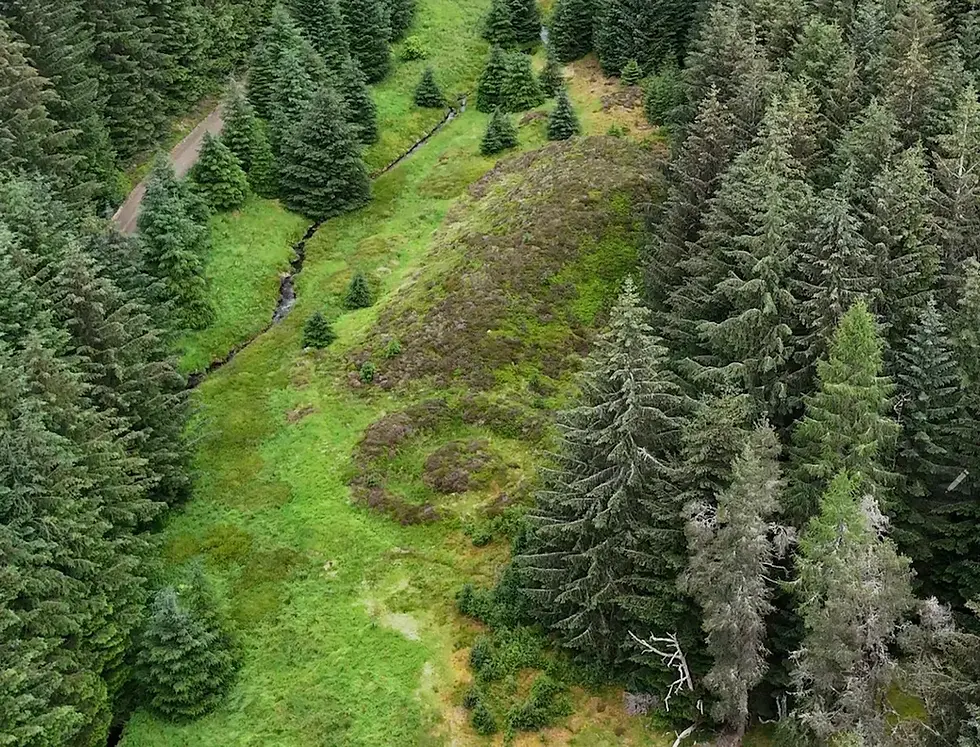
Hidden deep within the vast Clashindarroch Forest in Aberdeenshire lies one of Scotland's least visited prehistoric monuments. Surrounded by around 19,000 acres of woodland, Wormy Hillock Henge has remained hidden from most visitors for thousands of years.
Dating back around 4,000 years, this remarkable earthwork was built during the late Neolithic or early Bronze Age. Although archaeologists believe it was used for ceremonial purposes, nobody knows exactly why it was constructed. Its original purpose has been lost to history.
A Hidden Ancient Monument in Aberdeenshire
Unlike famous sites such as the Clava Cairns or Stonehenge, Wormy Hillock Henge receives very few visitors.
Its secluded location within one of Aberdeenshire's largest forests means many locals have never even heard of it.
The monument consists of a circular bank and ditch surrounding a central enclosure, a classic example of a prehistoric henge. Despite surviving for four millennia, it remains one of the county's best-hidden ancient sites.

The Legend of the Dragon's Grave
While archaeology cannot explain exactly why the monument was built, local folklore offers a very different story.
According to tradition, the mound marks the burial place of a great serpent that once terrorised the surrounding countryside. After the creature was finally defeated, it was buried beneath the earthwork, giving the site its long-standing nickname:
The Dragon's Grave.
Unlike the winged dragons of later European mythology, many Scottish dragon legends describe enormous serpents or snake-like creatures associated with hills, caves, rivers and ancient landscapes.
Whether the story developed to explain the mysterious earthwork, or whether the monument inspired generations of folklore, nobody can say for certain.
Why Was Wormy Hillock Henge Built?
The true purpose of the henge remains unknown.
Archaeologists generally believe monuments like this were used for ceremonial gatherings, ritual activity or important community events rather than as defensive structures. Unlike forts, henges were built with their ditch inside the bank, suggesting they were symbolic rather than military.
Without written records from the people who built it, its original function may never be fully understood.

Visiting Wormy Hillock Henge
Today, reaching Wormy Hillock Henge requires venturing into the heart of Clashindarroch Forest.
Its remote setting is part of what makes the monument so special. Away from crowds and modern development, it still feels like a forgotten place where history and folklore meet.
If you're exploring hidden places in Aberdeenshire, it is one of Scotland's most fascinating prehistoric sites.
Discover More Hidden Places in Scotland
We've added Wormy Hillock Henge to our interactive Scotland map, alongside hundreds of hidden castles, waterfalls, ancient monuments, forests and forgotten locations across the country.
Whether you're interested in Scottish history, Aberdeenshire walks, prehistoric monuments or Scottish folklore, it's one of the most rewarding hidden places to discover.

Discover Our Highland-Made Products
Explore our range of Scottish-made beard and body care products, inspired by the forests, coastlines and landscapes of the Highlands. Every purchase also helps support rewilding projects across Scotland.